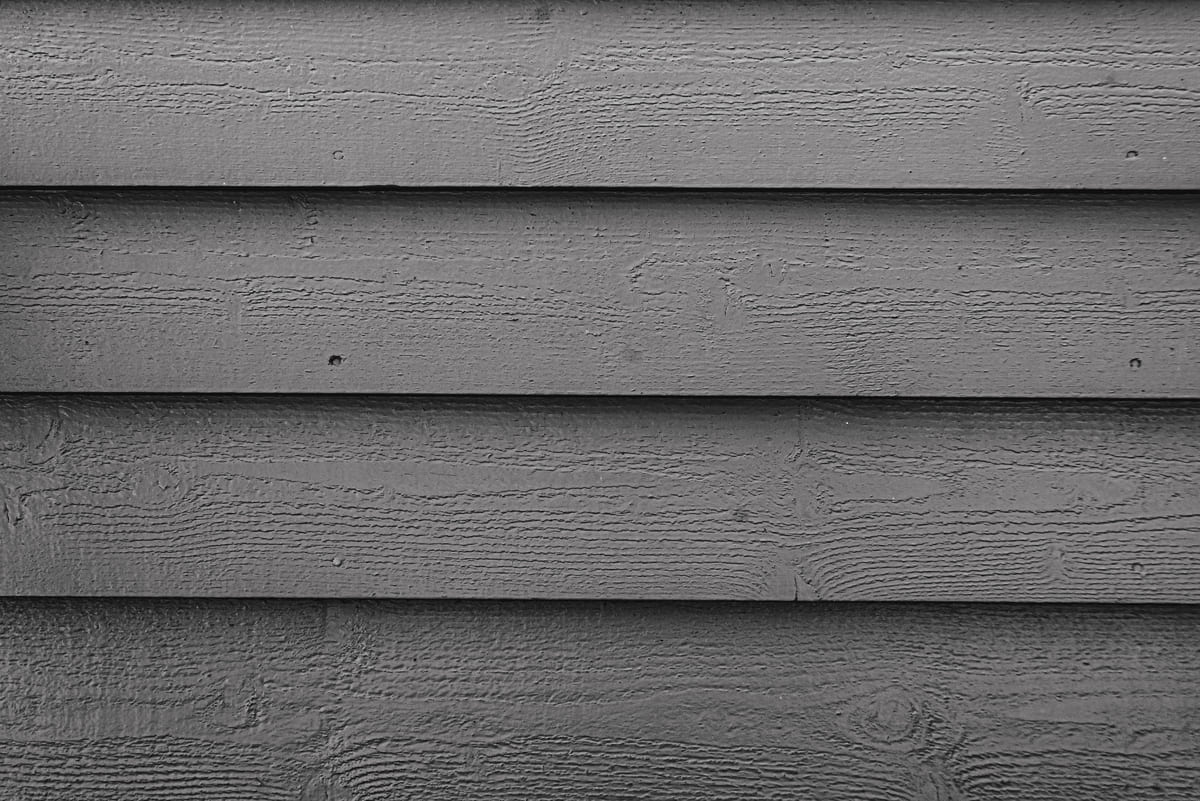
When New Jersey homeowners weigh exterior renovation options, the decision between vinyl siding and fiber cement siding ranks among the most consequential choices they will make. Both materials dominate the residential market across the Garden State, yet they differ dramatically in cost, durability, maintenance, and resilience against our region’s demanding climate. At Clifton Roofing & Siding, we have installed both materials on homes throughout Clifton, Passaic County, and surrounding areas for more than 25 years. We have prepared this comprehensive, side-by-side analysis to help you make an informed, confident decision that protects your investment for decades.
Understanding New Jersey’s Climate Demands
New Jersey’s exterior cladding must withstand a uniquely punishing range of conditions. Coastal communities along the Jersey Shore endure salt-laden air, hurricane-force winds, and driving rain, while northern regions like Clifton, Wayne, Montclair, and Cedar Grove experience heavy snow, freeze-thaw cycles, and humid summers. Any siding installed in this state must tolerate temperature swings exceeding 100 degrees between winter lows and summer highs. This climatic reality directly shapes which material delivers superior long-term performance, making weather resistance a primary consideration rather than an afterthought.
Vinyl Siding: Affordability and Low Maintenance
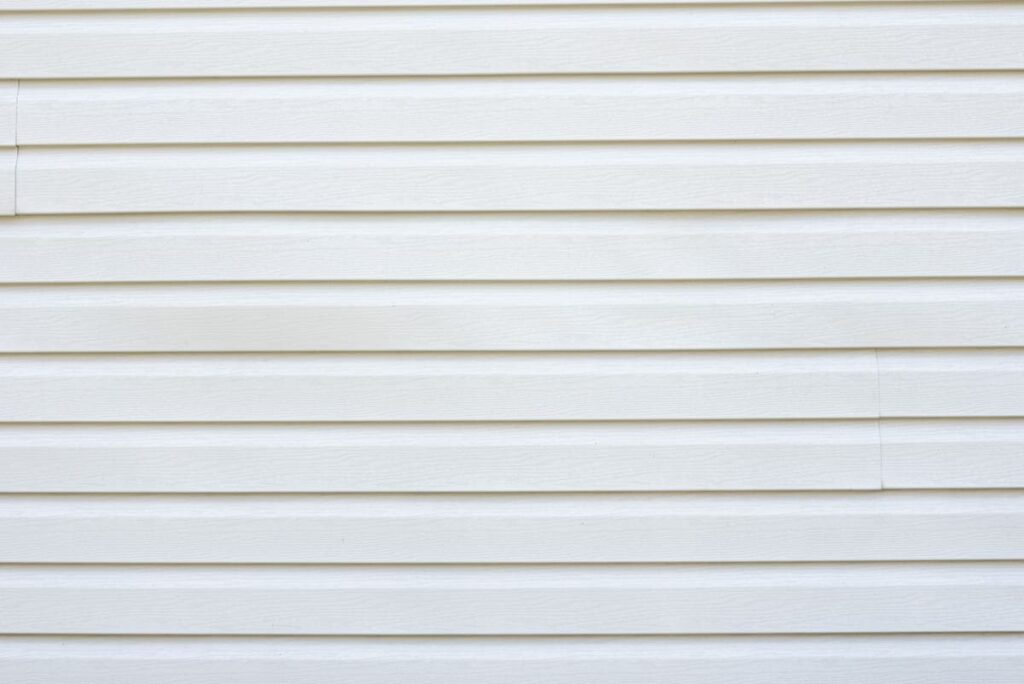
Vinyl siding remains the most widely installed exterior cladding in New Jersey, and its popularity is well earned. Manufactured from polyvinyl chloride (PVC), vinyl offers homeowners an attractive combination of low upfront cost and minimal upkeep.
The cost advantage is significant. Vinyl siding typically ranges from $4 to $9 per square foot installed, making it the budget-friendly choice for homeowners managing tight renovation budgets. A full siding replacement on an average New Jersey home often falls between $8,000 and $16,000, depending on home size and product grade.
Maintenance requirements remain refreshingly low. Vinyl never needs painting, resists moisture, and requires nothing more than occasional washing with a garden hose to remove dirt and mildew. Modern insulated vinyl products also improve energy efficiency by adding a layer of foam backing that reduces thermal bridging and lowers utility bills.
However, vinyl carries limitations. In extreme cold, vinyl can become brittle and prone to cracking, while intense summer heat may cause warping or fading. Lower-grade vinyl is particularly vulnerable to wind damage during the storms that frequently move through northern New Jersey. The material is also combustible and offers less authentic aesthetic depth than premium alternatives.
Fiber Cement Siding: Durability and Curb Appeal
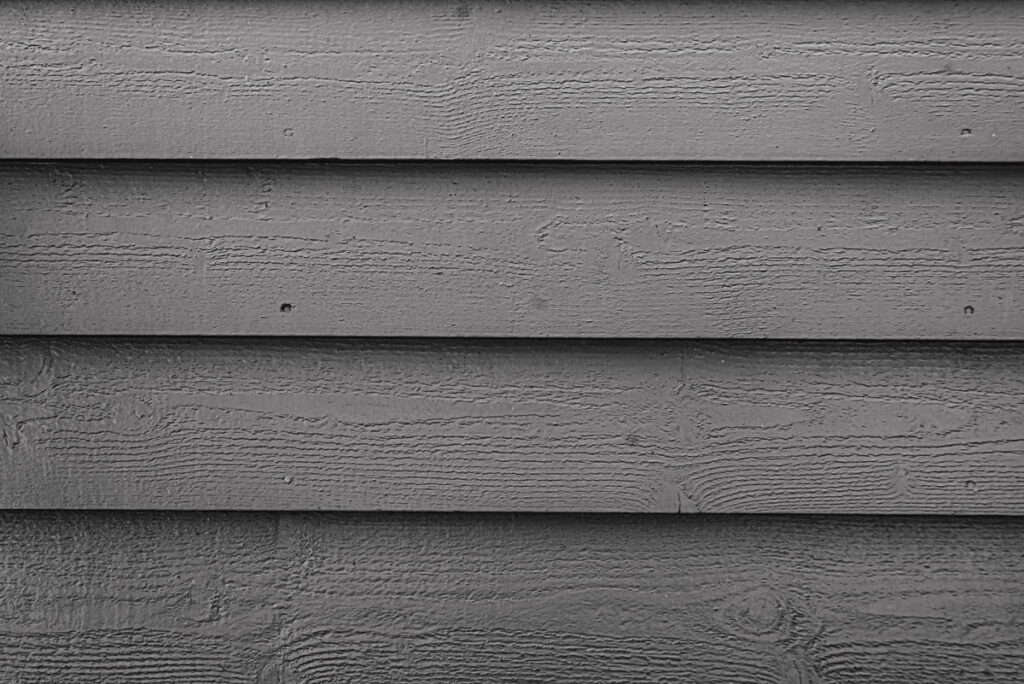
Fiber cement siding, popularized by brands such as James Hardie, represents the premium end of the residential siding market. Composed of cement, sand, and cellulose fibers, this engineered material delivers exceptional strength, longevity, and visual sophistication.
The defining advantage of fiber cement is its remarkable durability. The material resists fire, will not rot, repels insects including termites, and stands up admirably to the high winds and harsh weather common throughout New Jersey. Fiber cement also holds paint exceptionally well and can authentically mimic the appearance of natural wood, stucco, or masonry, dramatically enhancing curb appeal and resale value.
This performance comes at a higher price. Fiber cement siding generally costs between $8 and $16 per square foot installed, frequently doubling the investment required for vinyl. The material is heavy and demands specialized installation expertise — which is precisely why working with an experienced contractor matters. Fiber cement also requires repainting roughly every 10 to 15 years, introducing a long-term maintenance cost that vinyl avoids entirely.
Side-by-Side Comparison: Vinyl vs. Fiber Cement
| Factor | Vinyl Siding | Fiber Cement Siding |
|---|---|---|
| Installed Cost | $4–$9 per sq. ft. | $8–$16 per sq. ft. |
| Lifespan | 20–40 years | 30–50+ years |
| Maintenance | Minimal (washing only) | Periodic repainting |
| Fire Resistance | Combustible | Non-combustible |
| Wind Resistance | Moderate | Excellent |
| Aesthetic Realism | Good | Superior |
| Weight | Lightweight | Heavy |
| Resale Value Boost | Moderate | High |
Durability and Longevity in the Garden State
When evaluating long-term value, fiber cement holds a decisive edge. Its 30 to 50-year lifespan routinely outlasts vinyl, and its resistance to fire, impact, and storm damage makes it exceptionally well suited to New Jersey’s volatile weather. For homeowners in high-wind corridors or areas prone to storm damage, this resilience translates directly into reduced repair costs and potential insurance advantages.
Vinyl nonetheless offers respectable longevity. Premium vinyl products carry warranties extending 30 years or more, and when properly installed by a certified crew, they perform reliably across most New Jersey neighborhoods. For homeowners prioritizing immediate affordability over maximum durability, vinyl remains a sound, practical investment.
Energy Efficiency Considerations
Energy performance increasingly influences siding decisions as New Jersey utility costs climb. Insulated vinyl siding provides built-in thermal resistance that can measurably lower heating and cooling expenses. Fiber cement, while not inherently insulating, pairs effectively with separate insulation systems to achieve comparable or superior efficiency. Homeowners focused on reducing their energy bills should discuss insulation strategies with their contractor regardless of which material they select.
Return on Investment and Resale Value
For New Jersey homeowners planning to sell, fiber cement consistently delivers stronger returns. National remodeling data routinely ranks fiber cement siding replacement among the highest-recouping exterior projects. Its premium appearance and proven durability appeal strongly to prospective buyers. Vinyl also recoups a meaningful portion of its cost while requiring a far smaller initial outlay, making it the smarter choice for budget-conscious sellers.
Which Siding Is Right for Your New Jersey Home?
The optimal choice ultimately depends on budget, priorities, and location. We recommend vinyl siding for homeowners seeking affordability, low maintenance, and dependable performance across most northern New Jersey communities. We recommend fiber cement siding for those prioritizing maximum durability, superior aesthetics, fire resistance, and long-term value.
Both materials represent excellent, time-tested investments. The single greatest factor in either material’s long-term performance is the quality of its installation — proper moisture barriers, sealed seams, square corners, and precise integration around windows and doors. That is where our certified team makes the difference.
Schedule Your Free Siding Consultation in Clifton, NJ
At Clifton Roofing & Siding, we install vinyl, fiber cement, and wood siding with meticulous craftsmanship and comprehensive warranties. Our specialists will help you compare material options, color choices, and pricing at no cost or obligation, and we complete most residential projects in just 3–7 days with minimal disruption.
📞 Call us today at (973) 572-8600 or request your free estimate online to discuss the best siding solution for your home.
Clifton Roofing & Siding Company — 377½ Valley Rd #165, Clifton, NJ 07013 — Quality roofing and siding solutions for New Jersey homes and businesses since 1998.